RightOfPublicityExpertWitness

Scott Steinberg · Consultant, Analyst and Business Strategist

Right of Publicity Expert Witness: Name, Image and Likeness

Publicity matters turn on commercial questions a court cannot answer from the images alone: whether an audience would read a use as an endorsement, what the person's identity was actually worth in that market, and what the industry treated as requiring permission at the time. A consultant to 3000+ brands across sample fields like advertising, marketing, branding, licensing, entertainment and games, Scott Steinberg offers legal testimony and consulting.

Expert reports, declarations, deposition and trial testimony on likeness use in advertising, endorsement implication, digital replicas and synthetic likeness, NIL, virtual and in-game likeness, estate rights and more.

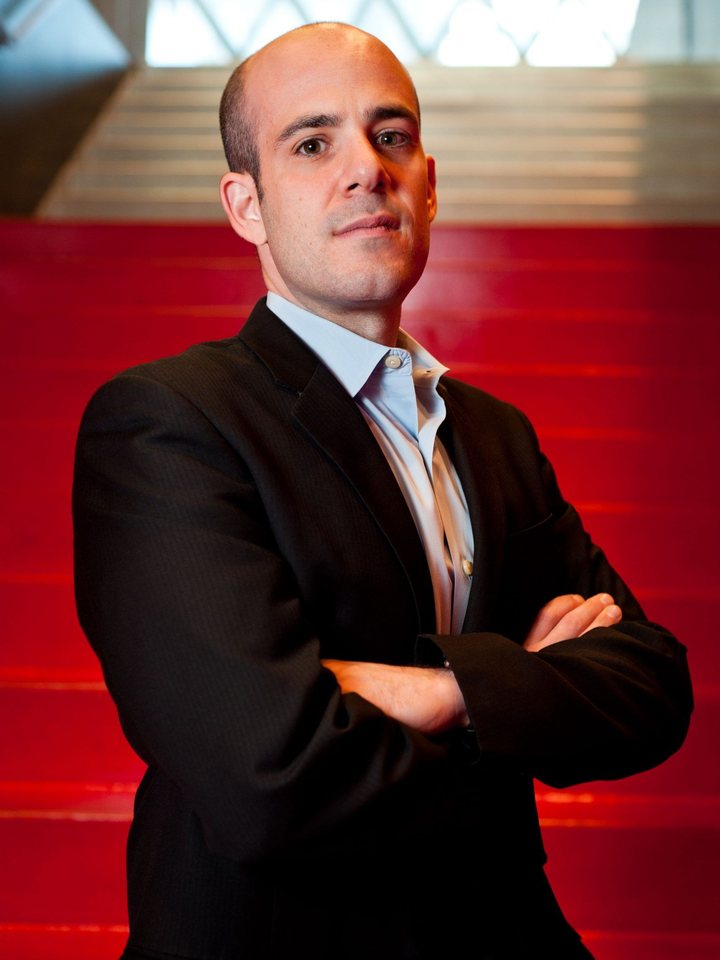
Scott Steinberg, right of publicity expert witness and brand strategist
Scott Steinberg — right of publicity expert witness, analyst and strategist
3,000+
Businesses, startups, governments and Fortune 500 companies advised
28 years
Management, corporate governance and strategic consulting experience
30+
Books published on technology, marketing, business and innovation
5,000+
Published articles as seen in USA Today, CNN, ABC, NBC, TODAY Show

Right of publicity practice areas

The recurring questions are commercial: what an audience took from the use, what permission practice required at the time, and what the identity would have commanded in an arms-length deal.

Likeness use in advertising and promotion

Identity reaches an audience through more than a photograph: a voice, a signature gesture, a catchphrase, a recognisable vehicle or a look-alike cast to evoke someone without naming them.

Testimony addresses what the use would have signalled to the intended audience and how the industry customarily treated identity elements of that kind at the time.

Endorsement implication and implied association

The commercial question is whether a reasonable audience would read the placement as the person having agreed to it, which depends on format, context and category convention rather than on any explicit claim.

Testimony addresses how endorsements are ordinarily signalled in that medium and whether the presentation carried that signal.

Digital replicas and synthetic likeness

Generated likeness and cloned voice arrive without the production footprint that used to make unauthorised use obvious, and the market has moved faster than the consent practice around it.

Testimony addresses what disclosure and permission practice the industry had established at the relevant date, and what a synthetic use replaced commercially.

Name, image and likeness in college athletics

The NIL market formed quickly with little deal precedent, and disputes examine collective arrangements, agent conduct, valuation of an athlete's market and what representations were made in recruiting.

Testimony addresses NIL market practice as it has developed and what comparable arrangements at that level actually carried.

Virtual and in-game likeness

Games and virtual environments use likeness through player models, avatars, roster data and cosmetic items, with permission chains that frequently run through leagues or unions rather than individuals.

Testimony addresses licensing practice in interactive entertainment and what a given use required under the conventions of that market.

Estate and post-mortem publicity rights

Deceased personality matters involve estate licensing programmes, archival footage reuse, resurrection in advertising and how an estate has historically policed the identity.

Testimony addresses estate licensing practice and what the commercial record shows about how the identity was managed and valued over time.

Release and consent scope practice

Most disputes are about reach rather than existence: a release signed for one campaign, medium or term, later used somewhere the signer says it never covered.

Testimony addresses what releases of that type customarily covered in the industry and what a person in that position would have understood themselves to be granting.

Likeness valuation and comparable endorsement evidence

Establishing what an identity was worth requires comparable deal evidence matched on the factors that actually move an endorsement fee: reach, category, exclusivity, term and the person's standing at the time.

Testimony supplies those comparables and addresses whether an asserted figure reflects how identity is genuinely priced in that market.

How engagements are structured

Comparable endorsement deal evidence is the backbone of valuation here and takes time to assemble, since most of it sits in confidential agreements and category knowledge. Any party may instruct.

Expert reports and declarations

Written opinions on endorsement implication, permission practice, likeness valuation and comparable deal evidence.

Deposition and trial testimony

Testimony on how identity is licensed commercially and what an audience would take from a particular use.

Rebuttal and methodology review

Responsive analysis of valuation comparables, consent scope assertions and claims about audience perception.

Consulting-only support

Non-testifying review of releases and licence chains, comparable deal research and discovery scoping.

Biography

Scott Steinberg is an analyst, consultant and business trends expert with over 25 years of experience providing management and strategic consulting services to more than 3,000 businesses and brands ranging from startups to government agencies and Fortune 500 firms.

He has testified in sample areas including intellectual property — copyrights, trademarks and patents — patent infringement, marketing, branding, video games, mobile applications, consumer product development, and the growth and monetization of online distribution platforms.

He is the author of over 30 books and has published more than five thousand articles addressing areas including but not limited to marketing, technology, leadership, innovation, advertising, digital transformation, data privacy and social networks. He appears regularly on ABC, CBS, CNN and NBC, and has led seminars and training programs for organizations including Wells Fargo, the PGA Tour, Century 21, Ford, Dell and Procter & Gamble.

His consulting work has been broadly recognized. He has served as a thought leader for the American Bar Association and Corporate Counsel magazine, and has received honors from the International Association for Scholastic Excellence, Fortune, and the 21st Century Icon Awards, among others.
Common questions from counsel

What does a right of publicity expert witness address?

The commercial questions underneath a likeness claim: whether an audience would read the use as an endorsement, what permission practice the industry required at the time, what a release customarily covered, and what the identity would have commanded in an arms-length deal. The legal standard remains for the court.

How is a likeness valued?

Generally through comparable endorsement evidence matched on what actually moves a fee: audience reach, category, exclusivity, territory, term and the person's commercial standing at the relevant date. A figure drawn from peak-career comparables for someone whose market had moved on rarely survives examination.

What makes digital replica matters different?

Speed and evidence. Synthetic likeness and cloned voice can be produced without the crew, contracts and production trail that used to make unauthorised use visible, and consent practice in the industry has lagged the capability. Establishing what the market treated as requiring permission on a specific date is usually the first task.

Do you address whether a use was transformative or newsworthy?

Those are legal characterisations for the court. What testimony can supply is the commercial context they get argued against: how the use functioned in the market, what category convention was, whether comparable uses were licensed, and what the presentation signalled to its audience.

How does this relate to the trademark and branding practices?

They overlap where a person is also a brand. Trademark testimony addresses marks and consumer confusion; branding addresses brand assets and equity. Right of publicity work addresses the individual's identity as the licensable asset, which is a distinct question even when the same dispute raises all three.

Discuss a matter

Initial conversations about scope, timing and conflicts are without charge. Helpful detail includes the use at issue, the person or estate involved and the period concerned, plus any expert disclosure deadline already set.

Telephone
Availability
Engagements accepted nationwide and internationally

Before you send case detail

A conflicts check is run before any substantive discussion. An initial note listing the party names and a one-line description of the dispute is enough to start; please hold privileged or confidential material until the check clears.